no key · no human

Discovery Institute’s Center for Science and Culture API, RSS and sitemap

Every article Discovery Institute’s Center for Science and Culture publishes, as JSON, through an open API with no key and no signup. 189 of their articles are indexed right now, refreshed hourly.

United StatesEnglish#13,367 by volume

Four ways to pull scienceandculture.com

All four are ours, all four are live, and none of them needs a key.

JSON Search this publisher

Every article we hold from scienceandculture.com, newest first. Add q= to search inside.

curl -s "https://freenewsapi.ai/v1/search?host=scienceandculture.com&size=20"open it →

RSS Subscribe in any reader

The same articles as an RSS 2.0 feed. Works in Feedly, Inoreader, Thunderbird — anywhere.

curl -s "https://freenewsapi.ai/v1/rss?host=scienceandculture.com&size=50"open it →

JSON Feed For apps

JSON Feed 1.1, the same content in a format apps parse natively.

curl -s "https://freenewsapi.ai/v1/feed.json?host=scienceandculture.com&size=50"open it →

Trimmed For agents

Only the fields an agent needs — title, url, date, language — so the response stays small.

curl -s "https://freenewsapi.ai/v1/search?host=scienceandculture.com&size=20&fields=title,url,published_at,lang"open it →

Call the API

A live request. Paste it into a terminal and Discovery Institute’s Center for Science and Culture headlines come back as JSON.

bash
curl "https://freenewsapi.ai/v1/search?host=scienceandculture.com&size=5"
189
articles indexed
64
in the last 30 days
3
median per day
1
languages
386 min
median crawl lag
22.06 → 19.09
archive depth

Publishing volume

Articles per day over the last 75 days. The busiest hour is 13:00 UTC — that is when the newsroom pushes its main batch.

2026-06-22: 4 articles2026-06-23: 2 articles2026-06-24: 3 articles2026-06-25: 2 articles2026-06-26: 3 articles2026-06-27: 1 articles2026-06-28: 1 articles2026-06-29: 2 articles2026-06-30: 3 articles2026-07-01: 3 articles2026-07-02: 4 articles2026-07-03: 1 articles2026-07-04: 1 articles2026-07-06: 4 articles2026-07-07: 3 articles2026-07-08: 3 articles2026-07-09: 3 articles2026-07-10: 3 articles2026-07-12: 1 articles2026-07-13: 1 articles2026-07-14: 4 articles2026-07-15: 4 articles2026-07-16: 4 articles2026-07-17: 3 articles2026-07-18: 1 articles2026-07-20: 2 articles2026-07-21: 3 articles2026-07-22: 2 articles2026-07-23: 2 articles2026-07-24: 6 articles2026-07-25: 1 articles2026-07-26: 1 articles2026-07-27: 3 articles2026-07-28: 3 articles2026-07-29: 2 articles2026-07-30: 2 articles2026-07-31: 3 articles2026-08-02: 1 articles2026-08-03: 3 articles2026-08-04: 3 articles2026-08-05: 4 articles2026-08-16: 1 articles2026-08-17: 5 articles2026-08-18: 2 articles2026-08-19: 3 articles2026-08-20: 1 articles2026-08-21: 3 articles2026-08-22: 1 articles2026-08-23: 1 articles2026-08-24: 1 articles2026-08-25: 3 articles2026-08-26: 3 articles2026-08-27: 2 articles2026-08-28: 3 articles2026-08-29: 2 articles2026-08-30: 1 articles2026-08-31: 3 articles2026-09-01: 2 articles2026-09-02: 4 articles2026-09-03: 4 articles2026-09-04: 3 articles2026-09-05: 1 articles2026-09-06: 1 articles2026-09-07: 1 articles2026-09-08: 2 articles2026-09-09: 2 articles2026-09-10: 3 articles2026-09-11: 3 articles2026-09-12: 1 articles2026-09-14: 2 articles2026-09-15: 3 articles2026-09-16: 3 articles2026-09-17: 4 articles2026-09-18: 1 articles2026-09-19: 1 articles06-2207-0407-1807-3108-2309-0409-1709-19
bash
curl "https://freenewsapi.ai/v1/stats?host=scienceandculture.com&top=10"

Publishing rhythm

When Discovery Institute’s Center for Science and Culture actually publishes, by hour of day (UTC) and by day of week — measured from 189 timestamps, not from a schedule they advertise.

00: 140001: 80102: 10203: 00304: 10405: 00506: 00607: 10708: 00809: 00910: 01011: 01112: 11213: 571314: 161415: 41516: 11617: 21718: 101819: 101920: 82021: 162122: 182223: 1323
Mon: 31MonTue: 33TueWed: 36WedThu: 31ThuFri: 32FriSat: 10SatSun: 8Sun

Languages

CodeLanguageArticlesShare
enEnglish18195.8%

Latest articles

The 18 most recent Discovery Institute’s Center for Science and Culture articles in the index — the same rows the API returns, rendered for humans.
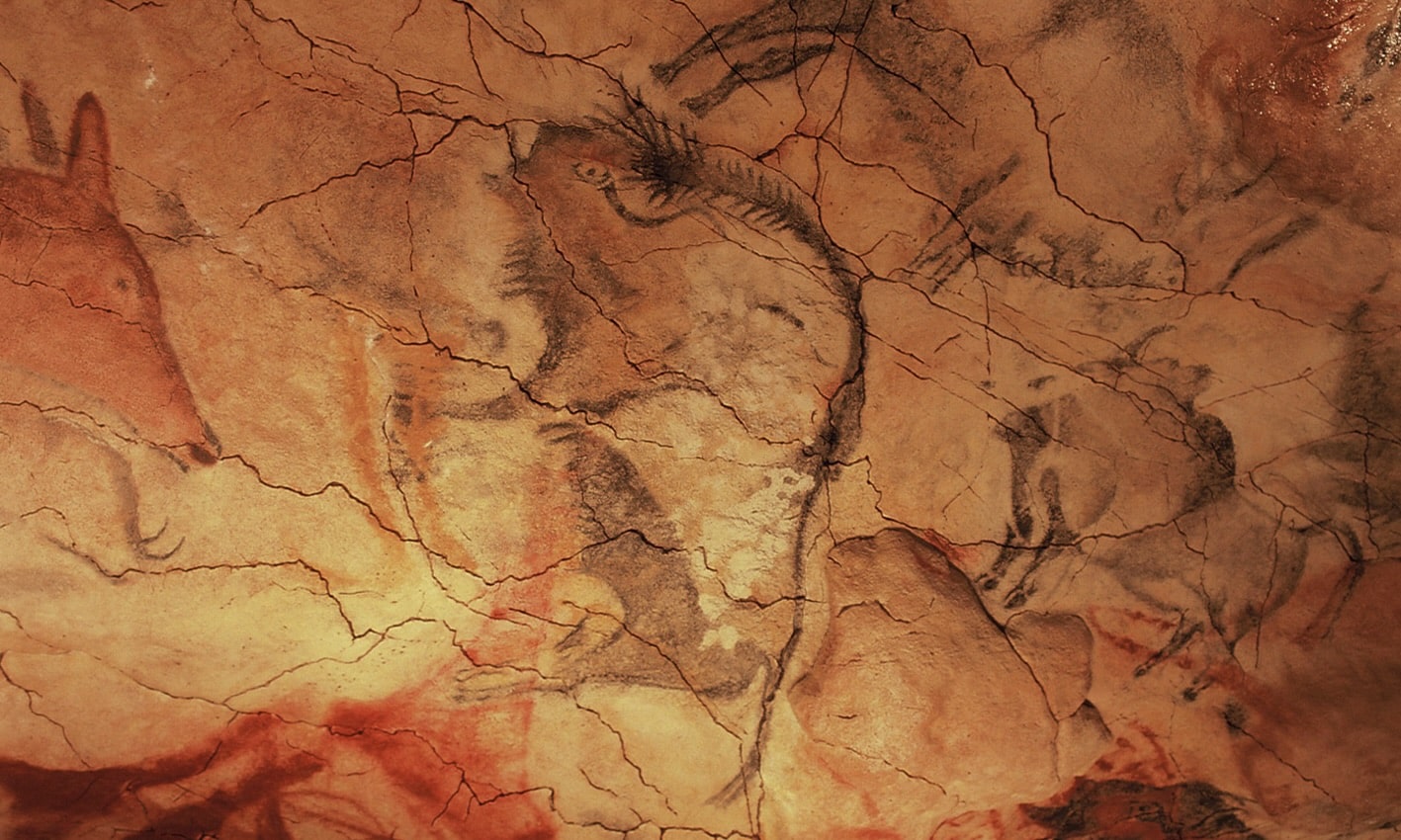

How Best to Appreciate Paleolithic Cave Art
2026-09-19 14:27 UTC · Science; Culture
Of course, the experience wouldn’t be really complete without simulating the threat of a cave bear trapping the artists.
Agency as the Emerging Naturalist Paradigm
2026-09-18 13:41 UTC · Stephen J Iacoboni
Jaques Monod, along with other champions of 20th-century scientism, was entirely mistaken.
Toward Theism, but Cautiously: Reviewing Flew, Egnor, and O’Leary
2026-09-17 22:58 UTC · Tom Winkler
“As with the Big Bang before its widespread acceptance, we may find ourselves increasingly compelled to take such possibilities seriously — even if cautiously.”
The Heavens Declare, and the Sky Tells
2026-09-17 21:39 UTC · David Klinghoffer
Our contributor Kirk Durston takes gorgeous astronomy and other nature photos. He graciously agreed to let me share these, with his captions.
The Missing Two Decades! What Howell Left Out of His “History”
2026-09-17 13:50 UTC · Andrew McDiarmid
I conclude my conversation with Dr. Casey Luskin about his critique of a recent book from New York University Press, by C. W. Howell.
The Darwinian Revolution: A Longer Historical Perspective
2026-09-17 01:22 UTC · Neil Thomas
It is well enough known that our remote ancestors, the Anglo-Saxons, were originally polytheists who had voyaged over the English Channel.
“Quick Pacing, Deft Characterization, and Expert Plotting”
2026-09-16 20:38 UTC · David Klinghoffer
From Discovery Institute Press, it’s “high-stakes action that should satisfy the most demanding of political thrill seekers.”
Fact-Checking Designer Science: Casey Luskin on ID History Errors
2026-09-16 13:47 UTC · Andrew McDiarmid
I welcome Dr. Casey Luskin to a new and improved podcast studio for a sit-down, in-person conversation!
Journal Would Empower Scientists to Rule on Income and Wealth
2026-09-16 00:29 UTC · Wesley J Smith
Reframing subjective policy issues as questions of objective “science” makes it easier to justify relying on “experts” for policy answers.
Testing the Creativity of Randomness
2026-09-15 22:02 UTC · David Coppedge
The evolutionary part of this paper relies on wishful thinking. What “could” or “might” happen occurs only in their evolutionary imaginations.
Be Careful! Don’t Think These Authors Are Practicing ID
2026-09-15 13:33 UTC · Winston Ewert
The idea of finding an intelligent message encoded in the standard genetic code is certainly a fascinating possibility.
Why Every Theory of Life’s Origin that Excludes Design Must Fail
2026-09-15 00:35 UTC · Brian Miller
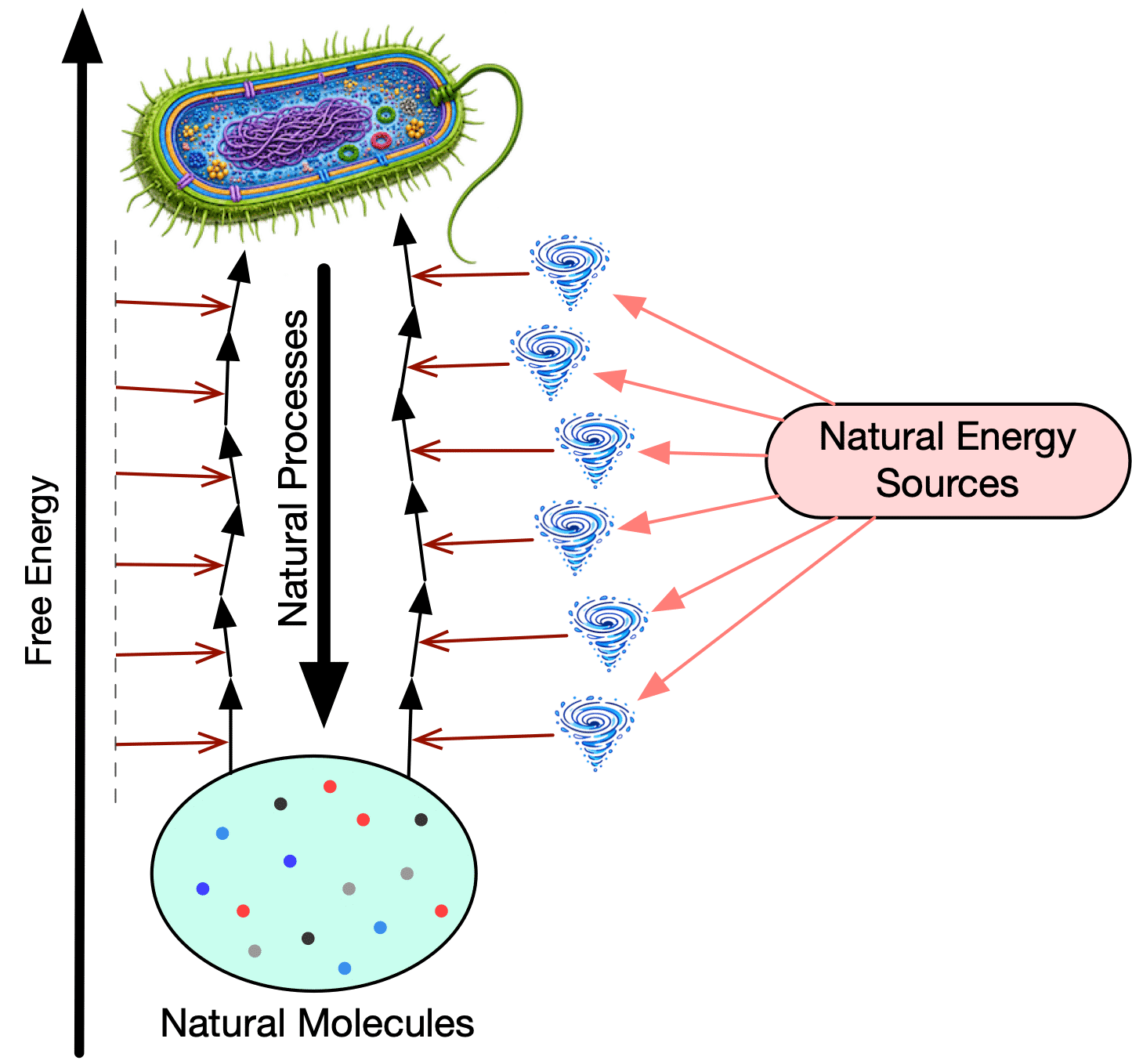
The proposal ceases to be an inference from observations and known physics and becomes an appeal to the absurd.
Simmons: The Sentence You Never Want to Read, but Should
2026-09-14 23:35 UTC · David Klinghoffer
This novelist has spent a good part of his medical career training others for emergencies, and acting in emergencies himself. He takes them seriously.
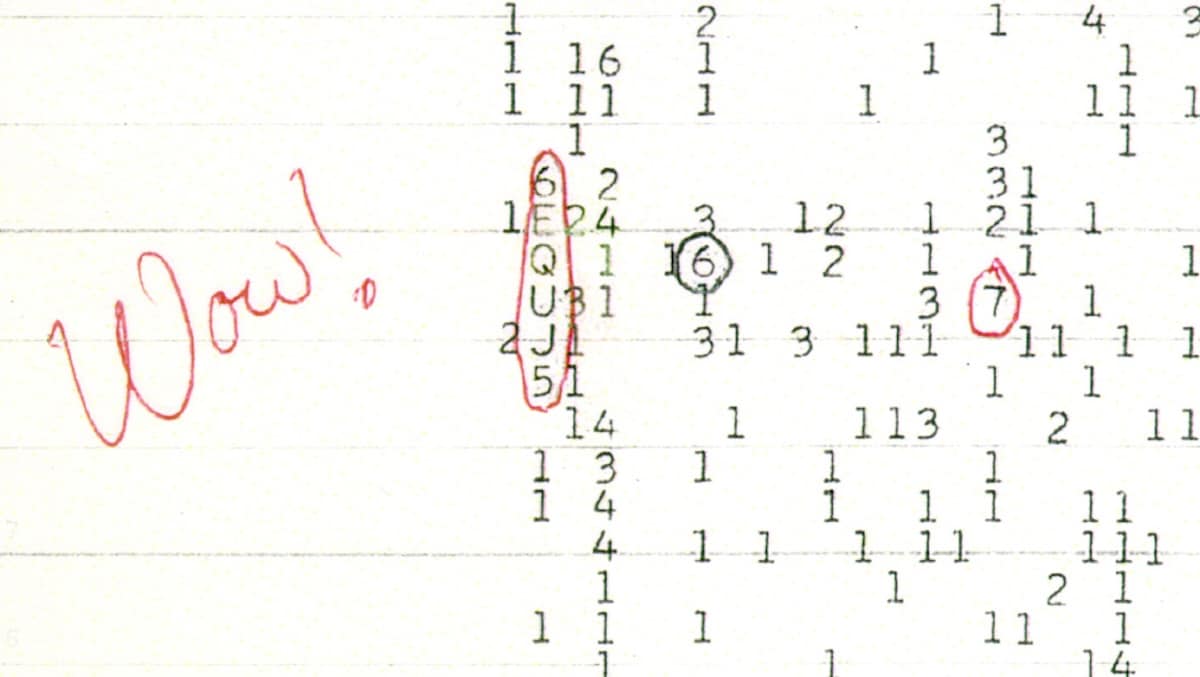
The Wow! Signal and a Project in Design Detection
2026-09-14 13:21 UTC · Winston Ewert
The search for extraterrestrial intelligence searches through evidence from outer space in the hopes of finding something that indicates intelligent ET life.
How Much Should Students Use AI? Preferably Not at All
2026-09-12 14:14 UTC · Andrew McDiarmid
New York City recently announced a moratorium on AI use in K-12 classes for the 2026-2027 school year.
Those Demons at the Core: Taut New Thriller by Geoffrey Simmons
2026-09-11 23:47 UTC · Denyse O’Leary
Author Simmons is, among other things, a disaster preparedness expert. The outcome here would make 9/11 seem negligible.
Who Benefits from Apocalyptic Claims About AI?
2026-09-11 19:54 UTC · Science; Culture
Anthropic researcher Jacob Coxon quit and posted at X last Tuesday, to over 25 million views, that “No other human activity poses this level of danger.”
Dinos Meet Carl Sagan and a Marriage on the Rocks
2026-09-11 13:13 UTC · Bethel McGrew
The family has put together the Big Premise (a solar flare has flung Oak Street back to the Mesozoic era). The dad predicts, “God’s not gonna let us die here.”

Harvest it all

Page through the archive by date. from and to accept YYYY-MM-DD or relative values such as now-7d.

bash
curl "https://freenewsapi.ai/v1/search?host=scienceandculture.com&from=now-7d&size=100"

To poll for new material, keep the timestamp of the newest article you saw and ask only for what came after it:

bash
curl "https://freenewsapi.ai/v1/search?host=scienceandculture.com&from=now-1h&sort=date_asc"

Article bodies come with full_text=true. No key, no quota tier, no header — see the search endpoint for every parameter.

Metadata quality

How well Discovery Institute’s Center for Science and Culture marks up its own pages — useful if you are deciding whether to parse them yourself.

100%
dates from JSON-LD
100%
articles with a byline
0%
articles with sections
147 KB
average page weight

Crawl lag — the delay between publication and the article reaching this index — is 386 min at the median, 754 minutes at the 90th percentile.

Similar publishers

Comparable outlets in the same language. Those without a page here yet link straight to their slice of the API.

FAQ

Does Discovery Institute’s Center for Science and Culture have an official API?

Not a public one. This endpoint is the practical alternative: their articles as structured JSON, with title, lead, publication time, section, byline and a link back to the original.

How do I get their RSS feed?

Most publishers expose one at /rss or /feed, but feeds carry only the last few dozen items and drop them within hours. This index keeps 189 of their articles and lets you filter by date, language and section.

How many articles does Discovery Institute’s Center for Science and Culture publish per day?

3 on a median day, measured across 75 days.

Can I use this commercially?

The API is free and unauthenticated. What you may do with the content is between you and the publisher: we return metadata, a lead paragraph and a link, not a licence.