no key · no human

The Scientist Magazine API, RSS and sitemap

Every article The Scientist Magazine publishes, as JSON, through an open API with no key and no signup. 134 of their articles are indexed right now, refreshed hourly.

United StatesEnglish#10,687 by volume

Four ways to pull the-scientist.com

All four are ours, all four are live, and none of them needs a key.

JSON Search this publisher

Every article we hold from the-scientist.com, newest first. Add q= to search inside.

curl -s "https://freenewsapi.ai/v1/search?host=www.the-scientist.com&size=20"open it →

RSS Subscribe in any reader

The same articles as an RSS 2.0 feed. Works in Feedly, Inoreader, Thunderbird — anywhere.

curl -s "https://freenewsapi.ai/v1/rss?host=www.the-scientist.com&size=50"open it →

JSON Feed For apps

JSON Feed 1.1, the same content in a format apps parse natively.

curl -s "https://freenewsapi.ai/v1/feed.json?host=www.the-scientist.com&size=50"open it →

Trimmed For agents

Only the fields an agent needs — title, url, date, language — so the response stays small.

curl -s "https://freenewsapi.ai/v1/search?host=www.the-scientist.com&size=20&fields=title,url,published_at,lang"open it →

Call the API

A live request. Paste it into a terminal and The Scientist Magazine headlines come back as JSON.

bash
curl "https://freenewsapi.ai/v1/search?host=www.the-scientist.com&size=5"
134
articles indexed
0
in the last 30 days
4
median per day
1
languages
336 min
median crawl lag
30.06 → 06.08
archive depth

Publishing volume

Articles per day over the last 38 days. The busiest hour is 04:00 UTC — that is when the newsroom pushes its main batch.

2026-06-30: 3 articles2026-07-01: 6 articles2026-07-02: 3 articles2026-07-03: 4 articles2026-07-04: 1 articles2026-07-05: 1 articles2026-07-06: 4 articles2026-07-07: 6 articles2026-07-08: 8 articles2026-07-09: 5 articles2026-07-10: 3 articles2026-07-11: 1 articles2026-07-12: 1 articles2026-07-13: 4 articles2026-07-14: 3 articles2026-07-15: 4 articles2026-07-16: 4 articles2026-07-17: 3 articles2026-07-18: 1 articles2026-07-19: 1 articles2026-07-20: 5 articles2026-07-21: 5 articles2026-07-22: 5 articles2026-07-23: 5 articles2026-07-24: 5 articles2026-07-25: 1 articles2026-07-26: 1 articles2026-07-27: 3 articles2026-07-28: 6 articles2026-07-29: 5 articles2026-07-30: 4 articles2026-07-31: 3 articles2026-08-01: 4 articles2026-08-02: 1 articles2026-08-03: 4 articles2026-08-04: 6 articles2026-08-05: 3 articles2026-08-06: 2 articles06-3007-0607-1207-1807-2407-3008-0508-06
bash
curl "https://freenewsapi.ai/v1/stats?host=www.the-scientist.com&top=10"

Publishing rhythm

When The Scientist Magazine actually publishes, by hour of day (UTC) and by day of week — measured from 134 timestamps, not from a schedule they advertise.

00: 40001: 00102: 00203: 00304: 830405: 00506: 10607: 00708: 00809: 10910: 21011: 11112: 31213: 131314: 51415: 51516: 41617: 11718: 61819: 31920: 02021: 22122: 02223: 023
Mon: 20MonTue: 29TueWed: 31WedThu: 23ThuFri: 18FriSat: 8SatSun: 5Sun

Languages

CodeLanguageArticlesShare
enEnglish134100.0%

Latest articles

The 18 most recent The Scientist Magazine articles in the index — the same rows the API returns, rendered for humans.
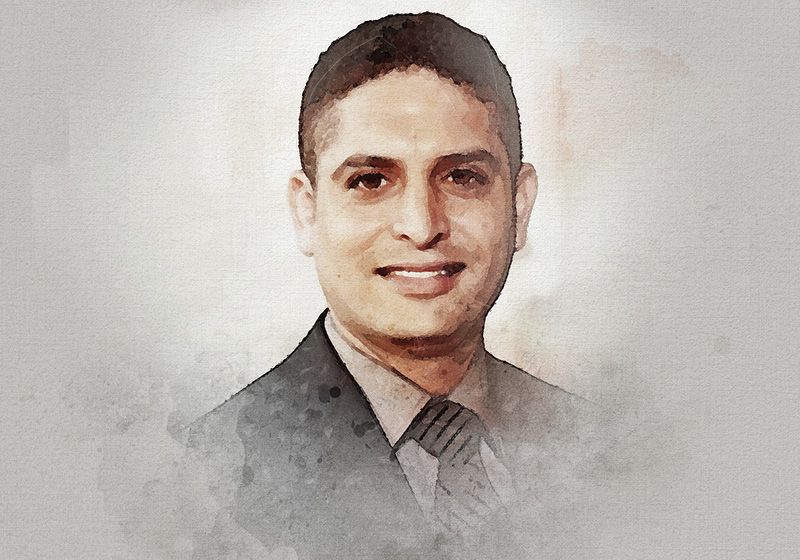
Postdoc Portrait: Mohamad Abassi Uses Machine Learning for Fluid Dynamics | The Scientist
2026-08-06 04:00 UTC · The Scientist
This postdoctoral researcher applies artificial intelligence and machine learning tools to solve complex computational fluid dynamics problems in turbulent flows.
Wellcome Photography Prize Links Science to the Human Experience | The Scientist
2026-08-06 04:00 UTC · Shelby Bradford; PhD
The global photography competition recognizes creative storytelling that showcases how science and health affect people’s lives.
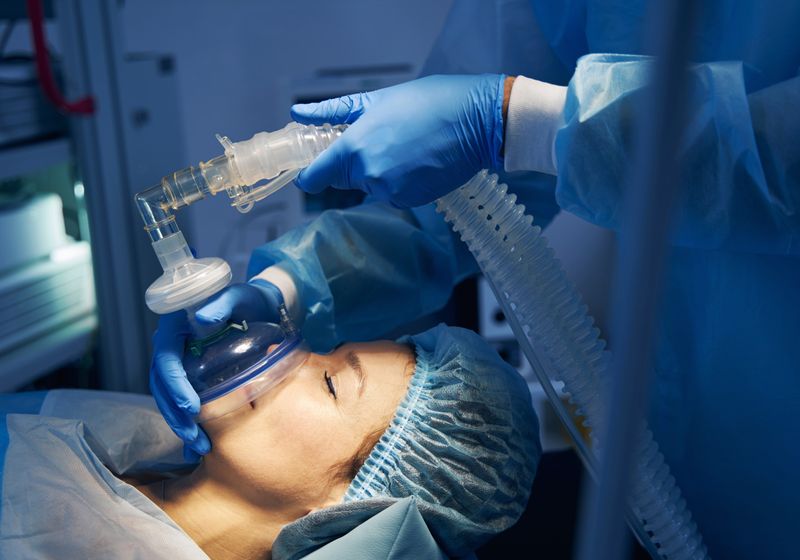
Microglia Drive Sex Differences in Ketamine Anesthesia Recovery | The Scientist
2026-08-05 04:00 UTC · Sneha Khedkar
Ketamine anesthesia drives female-specific microglial activity in mice, offering insight about the anesthetic and highlighting the need to study sex as a biological varia
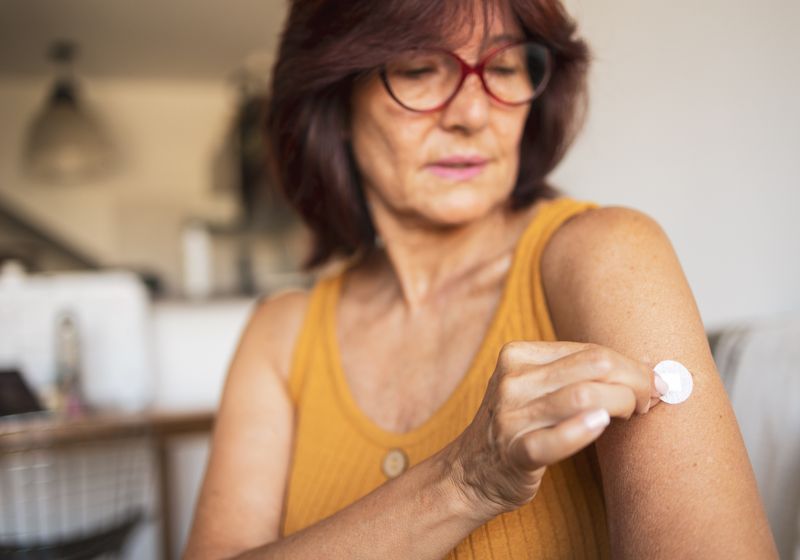
Flawed Studies Linked Menopausal Hormone Therapy to Breast Cancer | The Scientist
2026-08-05 04:00 UTC · Versha Pleasant; MD; MPH; The Conversati
As safety guidance evolves, personalized hormone therapy could address debilitating menopausal symptoms for breast cancer survivors.
Researchers Convert Carbon Dioxide into Recyclable Plastic | The Scientist
2026-08-05 04:00 UTC · Shelby Bradford; PhD
Polyester made from carbon dioxide and reactive carbon compounds had comparable properties to other plastic, representing a greener alternative for the material.
Sino Biological Launches Precisely Characterized Full-Length p-Tau217 Protein to Advance Next-Generation Alzheimer’s Bio
2026-08-04 18:32 UTC · Sino Biological
This release expands on Sino Biological's comprehensive Tau protein product portfolio, designed to accelerate neurodegenerative disease research.
Sino Biological Launches SuperNuclease ® Pro with Free Trial Program | The Scientist
2026-08-04 18:32 UTC · Sino Biological
Sino Biological’s trial program enables qualified customers to evaluate SuperNuclease Pro in their specific bioprocessing applications, facilitating faster technology ass
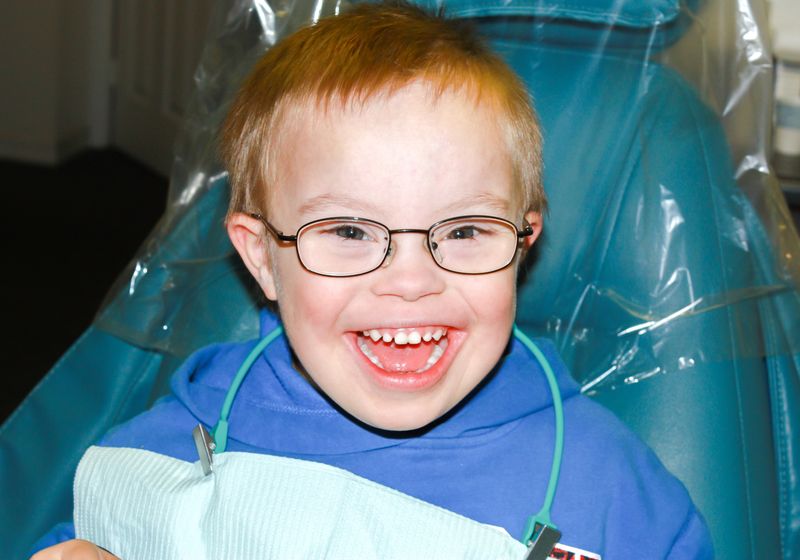
Restoring Saliva Flow May Improve Oral Health in Down Syndrome | The Scientist
2026-08-04 04:00 UTC · Sneha Khedkar
Disrupted calcium signaling could be linked to low saliva production and gum disease in Down syndrome, indicating potential therapeutic targets to boost oral health.
Postdoc Portrait: Ananya Naha Probes Ocular Cells in Glaucoma Research | The Scientist
2026-08-04 04:00 UTC · The Scientist
This postdoctoral researcher investigates how ocular cells respond to mechanical stress to discover new therapies for glaucoma.
Valerie Horsley Unlocks the Secrets of Skin Healing | The Scientist
2026-08-04 04:00 UTC · Mariella Bodemeier Loayza Careaga; PhD
Valerie Horsley goes deep into the skin to uncover how adipocytes, immune cells, and other cell types coordinate tissue repair and prevent fibrosis.
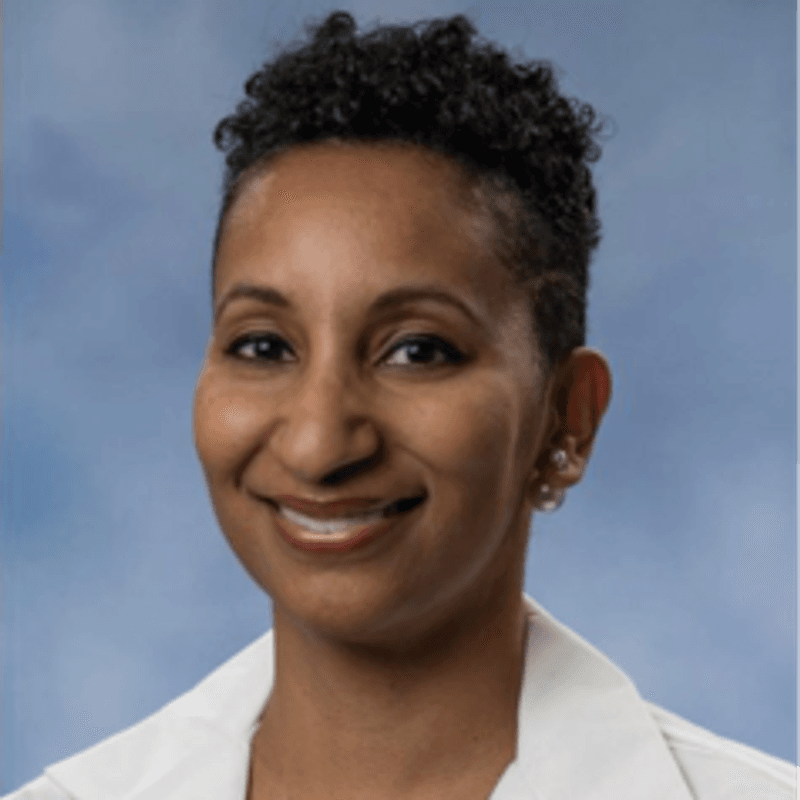
Versha Pleasant, MD, MPH Author Profile | The Scientist
2026-08-04 00:00 UTC · The Scientist
Dr. Versha Pleasant was born and raised in Philadelphia, Pennsylvania. She completed her undergraduate studies at the University of Virginia receiving a Bachelor of Arts
Blood-Based Biomarkers Expand Access to Alzheimer’s Disease Assessment | The Scientist
2026-08-03 04:00 UTC · Fujirebio Diagnostics
New plasma tests open the door to identifying amyloid pathology earlier while reducing the need for invasive, costly, or less accessible diagnostic procedures.
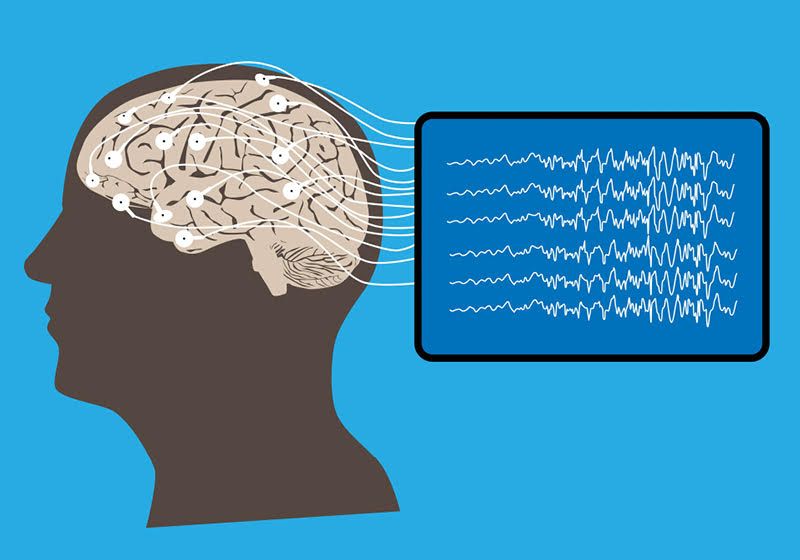
Brain-Computer Interface Advances Help Reconnect the Mind and Body | The Scientist
2026-08-03 04:00 UTC · The Scientist
Brain-computer interface technologies help people regain communication, movement, and sensation while revealing fresh insights into how the human brain works.
Epic Fail: Sea-Monkeys Sabotage Fieldwork | The Scientist
2026-08-03 04:00 UTC · Laura Tran; PhD
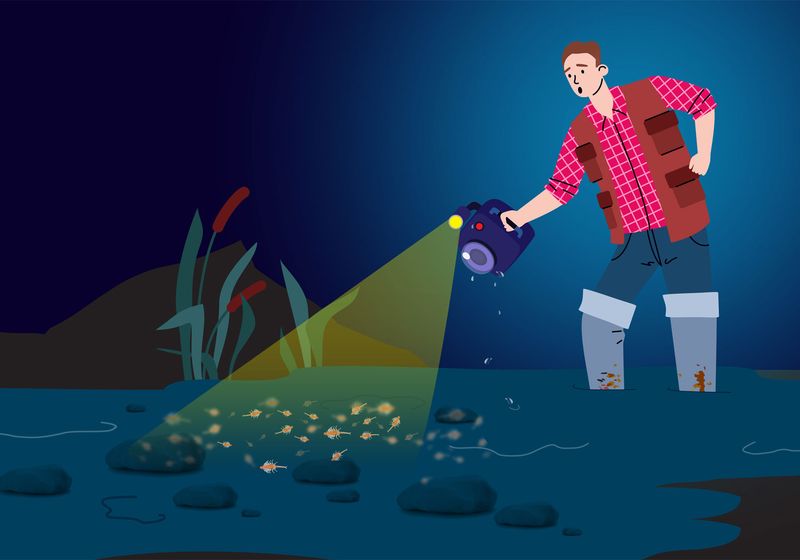
When Barry Hicks set out to photograph thrombolites, thousands of unexpected visitors photobombed his underwater images.
Graduate Students Champion Science Diplomacy Beyond the Lab | The Scientist
2026-08-03 04:00 UTC · Laura Tran; PhD
Brown for Science Diplomacy is a student-led organization that fosters dialogue at the intersection of science policy, communication, and advocacy.
Why Your Cyclosporiasis Diarrhea Could Be More Explosive Than Others | The Scientist
2026-08-02 04:00 UTC · Azadeh Nasuhidehnavi; PhD; Wesley Kufel;
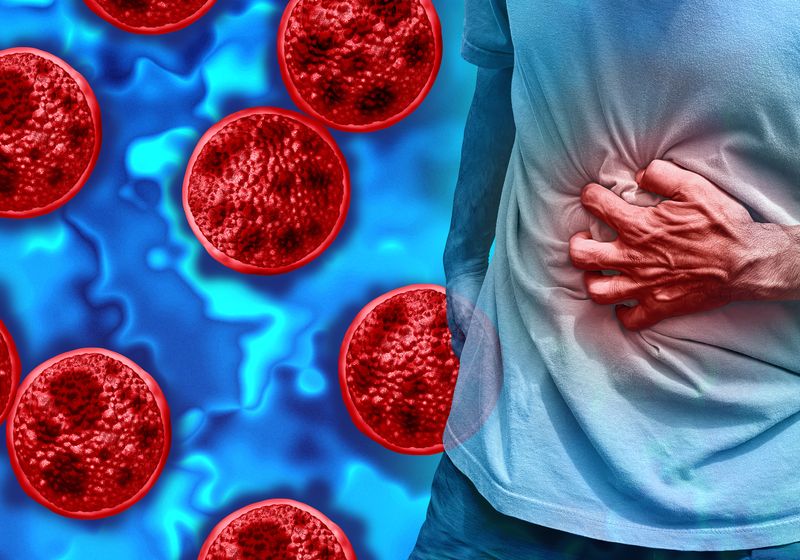
Differences in how the immune system controls a cyclospora infection explains why some people experience mild symptoms while others develop severe disease.
Resipher: Continuous Live-Cell Mitochondrial Respiration Monitoring in 96-Well Plates | The Scientist
2026-08-01 13:00 UTC · Lucid Scientific
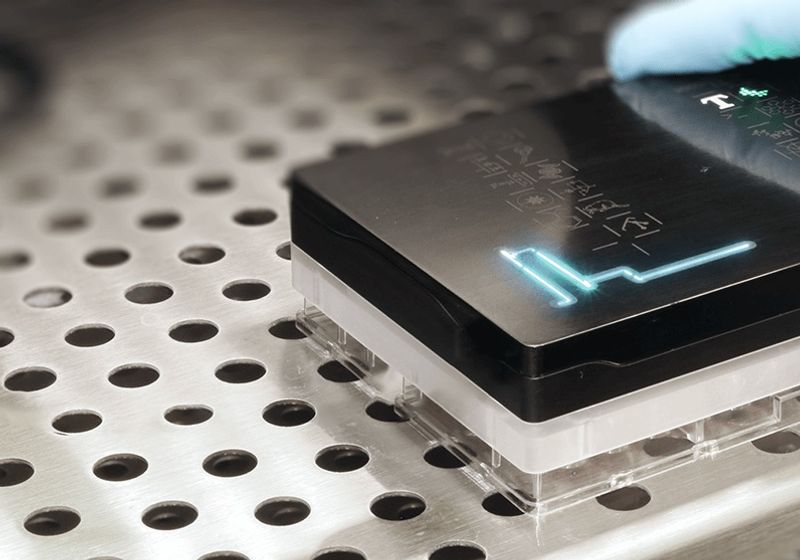
Resipher measures cellular respiration (OCR) continuously in standard 96-well plates inside your incubator, for days to weeks. No media swaps, dyes, or transfers. A live-
A HeLa Lawsuit Is Over. The Ethics Debate Over Human Samples Isn't. | The Scientist
2026-08-01 04:00 UTC · Shelby Bradford; PhD
Earlier this year, the Lacks estate settled a lawsuit regarding a company’s profiting off of HeLa cells. The case serves as a reminder of the importance of proper ethics

Harvest it all

Page through the archive by date. from and to accept YYYY-MM-DD or relative values such as now-7d.

bash
curl "https://freenewsapi.ai/v1/search?host=www.the-scientist.com&from=now-7d&size=100"

To poll for new material, keep the timestamp of the newest article you saw and ask only for what came after it:

bash
curl "https://freenewsapi.ai/v1/search?host=www.the-scientist.com&from=now-1h&sort=date_asc"

Article bodies come with full_text=true. No key, no quota tier, no header — see the search endpoint for every parameter.

Metadata quality

How well The Scientist Magazine marks up its own pages — useful if you are deciding whether to parse them yourself.

97%
dates from JSON-LD
100%
articles with a byline
0%
articles with sections
161 KB
average page weight

Crawl lag — the delay between publication and the article reaching this index — is 336 min at the median, 923 minutes at the 90th percentile.

Similar publishers

Comparable outlets in the same language. Those without a page here yet link straight to their slice of the API.

FAQ

Does The Scientist Magazine have an official API?

Not a public one. This endpoint is the practical alternative: their articles as structured JSON, with title, lead, publication time, section, byline and a link back to the original.

How do I get their RSS feed?

Most publishers expose one at /rss or /feed, but feeds carry only the last few dozen items and drop them within hours. This index keeps 134 of their articles and lets you filter by date, language and section.

How many articles does The Scientist Magazine publish per day?

4 on a median day, measured across 38 days.

Can I use this commercially?

The API is free and unauthenticated. What you may do with the content is between you and the publisher: we return metadata, a lead paragraph and a link, not a licence.